

What Are the Disadvantages of Flush Casement Windows? An Honest Look for Discerning Homeowners
Introduction: A Question of Balance
Flush casement windows have surged in popularity, prized for their clean, contemporary aesthetic where the sash sits perfectly level with the frame, creating a sleek, uninterrupted line. They offer a modern update to the classic casement style . But are they the right choice for every home and every budget?
At Tryba, we believe in informed decisions. While our product range includes high-performance solutions like the HL70 4-Chambers uPVC Casement & Awning Window, we understand that every choice has trade-offs. This article provides an honest, balanced exploration of the potential disadvantages of flush casement windows, helping you navigate the decision with your eyes wide open.
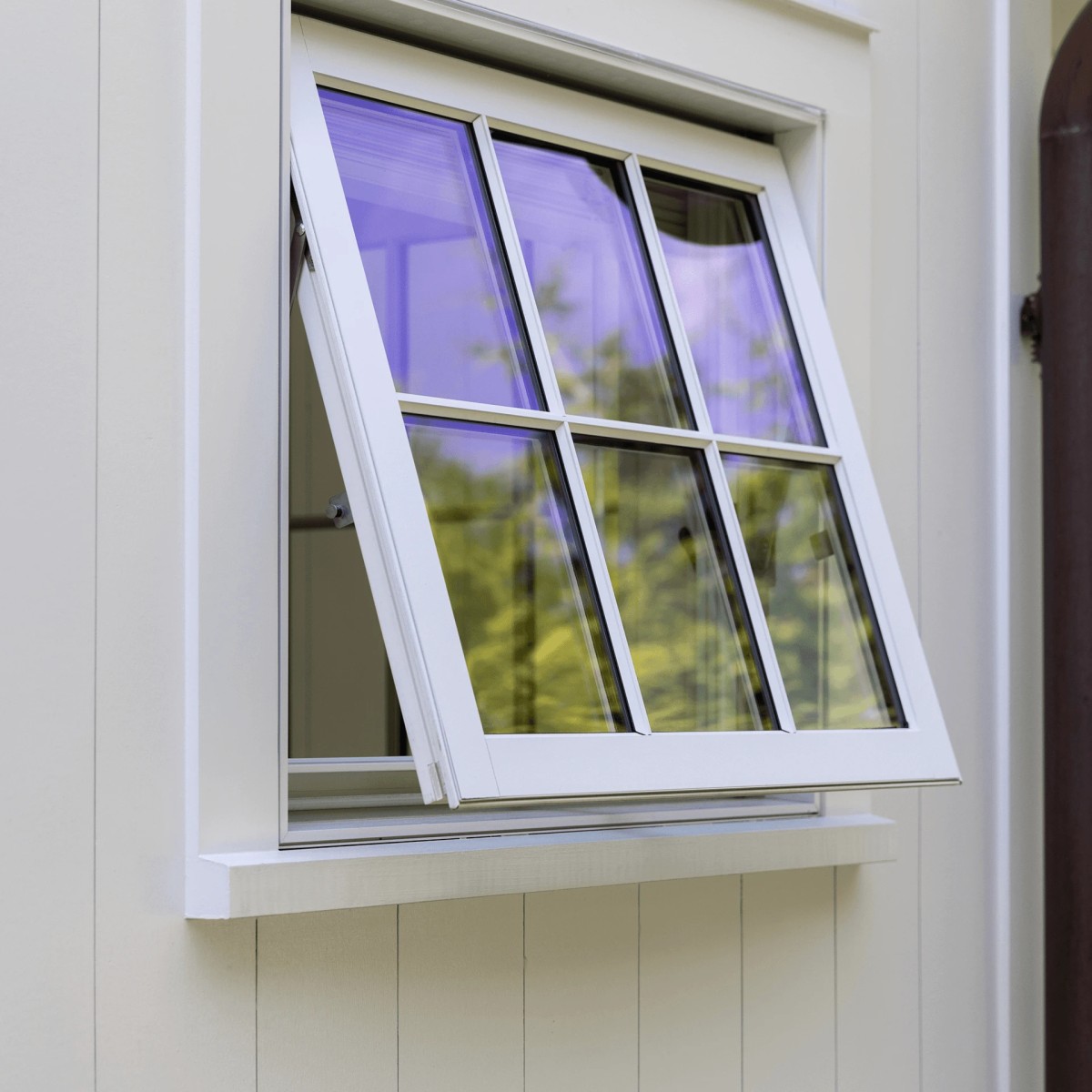
The Hidden Costs and Complexities of Flush Casement Windows
While visually stunning, flush casement windows are not without their challenges. Understanding these drawbacks is key to making a choice that balances beauty, function, and long-term value.
1. A Premium Price Tag
One of the most significant barriers is cost. The sleek, flush fit demands far more precision in manufacturing.
Higher Initial Investment: Flush casement windows are mechanically more complex to produce. The sash and frame must be machined to exceptionally tight tolerances to achieve the perfect flush fit without gaps or wind noise. This complexity directly translates to a higher price point. Industry sources suggest flush casements can cost 15–25% more than an equivalent standard casement window in the same material .
The Material Factor: If you opt for aluminum flush casement windows for their slim profiles and durability, the cost can be even more pronounced, potentially reaching up to three times the price of other materials .
2. Limited Availability and Replacement Challenges
Unlike standard casement windows, flush casement windows are not as widely manufactured . This is not an issue when purchasing new, but it can become a significant headache down the line.
Finding Replacement Parts: If a handle, hinge, or other component fails years later, sourcing an exact match can be difficult and expensive.
Professional Installation is Crucial: The tight tolerances mean that installation is not a DIY project. Errors in measurement or fitting can lead to poor performance, negating the benefits of the design. This often necessitates hiring a highly experienced professional, which adds to the overall cost .
3. Design and Material Limitations
While flush casement windows look fantastic, the choice of material heavily influences their performance and longevity.
uPVC Limitations: While more affordable, uPVC flush casement windows come with inherent material drawbacks.
Frame Bulk: uPVC frames are generally thicker (70–85mm) compared to aluminum (50–65mm), which can slightly reduce the glass area and the "minimalist" feel some homeowners desire .
Long-Term Durability: uPVC, while low-maintenance, is susceptible to UV damage. Over 20–25 years, especially on south-facing elevations, the finish may fade or yellow, and the material can become more brittle . Its typical lifespan (25–30 years) is shorter than aluminum (40–50 years) .
Aluminum Considerations: While aluminum offers superior strength and slimmer profiles, it has its own trade-offs.
Tryba's Solution: Engineering Excellence That Overcomes Limitations
At Tryba, we don't just build windows; we engineer solutions that address these very challenges. Our product lines are designed to deliver the beauty of a flush design without the common compromises.
The HL70: High-Performance uPVC Without the Worry
Our HL70 4-Chambers uPVC Casement and Awning Window is a testament to this philosophy. It tackles the typical uPVC disadvantages head-on:
Superior Insulation: The 70mm 4-chamber CONCH uPVC profile and triple-glazing (5mm+6A+5mm+9A+5mm) are specifically designed to maximize thermal retention, achieving an impressive Uw value of ≤1.8 W/㎡·k. This addresses the energy efficiency concerns that can affect both standard and aluminum frames .
Enhanced Weatherproofing: The advanced 3-EPDM sealing system provides superior air-tightness and water-tightness, ensuring the window performs flawlessly in any weather.
Aesthetic Flexibility: With options for Renolit film coatings, you can achieve the look of premium materials, including woodgrain finishes, without the maintenance burden of timber, offering design flexibility beyond standard uPVC.
The N70: The Ultimate Aluminum Solution
For those seeking the pinnacle of design and performance, our N70 Steel-Look French Aluminum Casement Window directly addresses the concerns associated with aluminum.
Built-in Thermal Break: Our Thermal Break Aluminum Profile prevents the heat transfer that plagues standard aluminum frames, ensuring energy efficiency comparable to high-quality uPVC.
Strength and Longevity: With robust 2.0mm/3.0mm thickness, premium powder coating, and corrosion-resistant materials, our aluminum windows offer a lifespan and durability that far surpasses uPVC, making them a true long-term investment .
Conclusion: Choosing the Right Window for Your Future
Flush casement windows offer undeniable style, but it's vital to look beyond the surface. The key disadvantages—higher cost, potential part scarcity, and material-specific issues like uPVC bulk or aluminum conductivity—are real considerations.
However, with a partner like Tryba, these drawbacks can be mitigated or even eliminated. By choosing an expertly engineered solution like the HL70 or N70, you invest in performance, longevity, and peace of mind. The "disadvantages" transform from deal-breakers into justified investments in your home's quality and value.
Ready to explore windows that offer both timeless beauty and uncompromising performance? Contact Tryba today to discover the perfect solution for your project.
Connect With Our Experts
Online Message

Online Message
Please feel free to inquiry us we will answer you soon