

Ultimate Guide to Tilt and Turn Windows: Benefits, UPVC vs Aluminium, and How to Choose
Introduction
When upgrading or building a modern modern home, window selection goes far beyond simple aesthetic appeal—it directly impacts energy efficiency, indoor air quality, soundproofing, and home security. Among modern architectural fenestration designs, tilt and turn windows have grown rapidly in popularity across European and North American residential projects.
Unlike standard single-hung or horizontal sliding windows, versatile tilt turn windows feature a unique dual-function hinge mechanism: they tilt inward at the top for safe, draft-free room ventilation, or swing open fully inward like a traditional door for maximum airflow and effortless glass cleaning.
In this comprehensive guide, we will break down how tilt windows work, compare upvc tilt and turn windows with aluminium tilt and turn windows, highlight critical technical specs to look for, and explain why
What are Tilt and Turn Windows and How Do They Work?
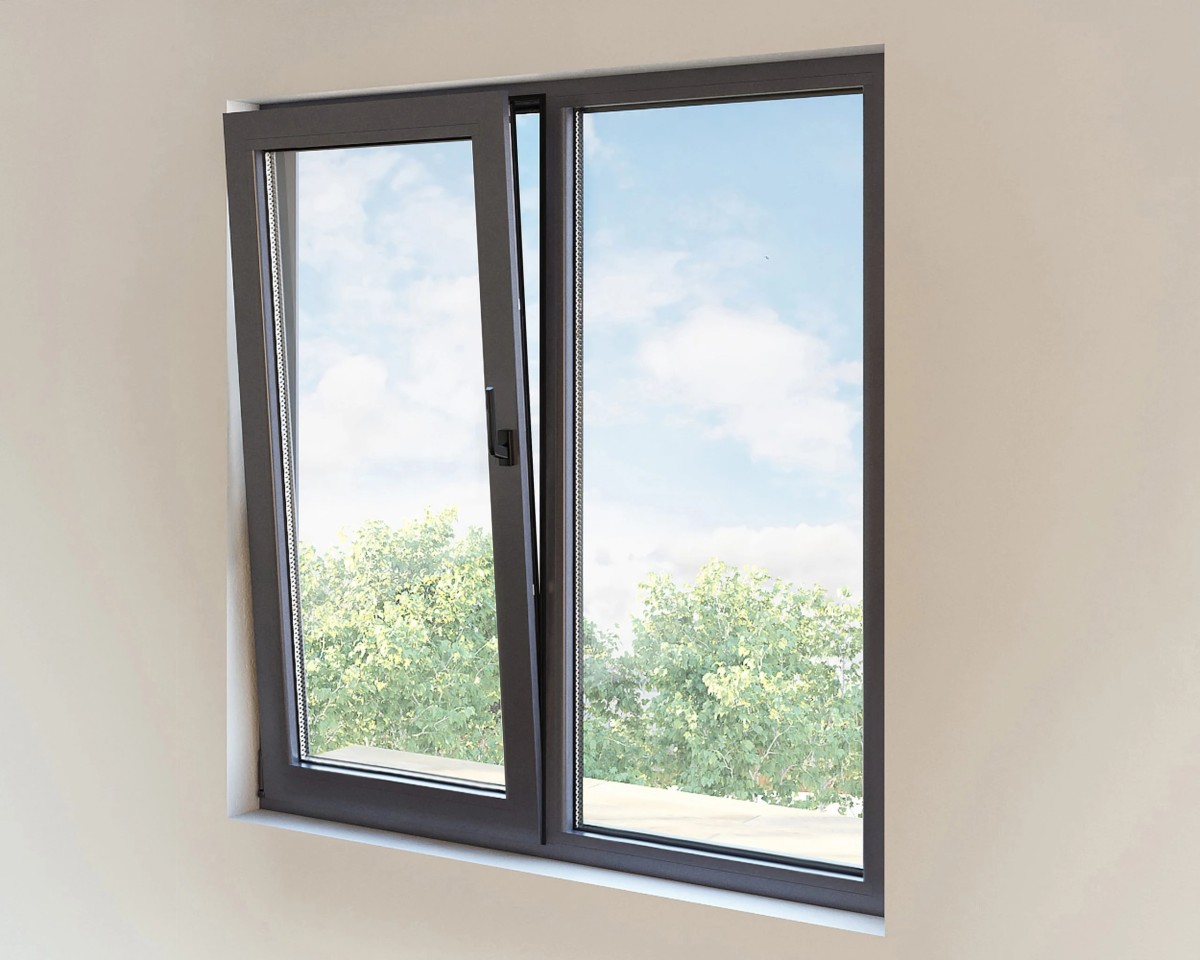
At first glance, a tilt and turn window looks like an elegant fixed or casement window. However, its interior engineering sets it apart. Controlled by an intuitive, single multi-point handle, the sash offers two distinct operational modes:
Tilt Mode (Top Opening): Turning the handle 90 degrees enables the top of the window sash to tilt inward by 10 to 15 degrees. This creates a gentle, continuous chimney effect for fresh air circulation while keeping rainwater out and preventing children or pets from climbing through.
Turn Mode (Side Hinged): Turning the handle 180 degrees unlocks the side hinges, allowing the entire sash to swing inward up to 180 degrees. This provides full passage for maximum ventilation and allows homeowners to clean the outer glass safely from inside the room.
UPVC Tilt and Turn Windows vs. Aluminium Tilt and Turn Windows: Which Material Should You Choose?
When selecting the frame material for your project, the decision usually comes down to upvc tilt turn windows vs. aluminium tilt and turn windows. Both materials have distinct features depending on your architectural needs and budget:
For the majority of residential replacement and modern residential builds, high-performance upvc tilt and turn windows provide the ultimate balance of thermal retention, noise isolation, structural longevity, and value.
Featured Product: TRYBA HL60 3-Chambers UPVC Tilt and Turn Window
When engineering excellence meets practical living, you get the
Technical Specifications:
Frame Profile: 60mm 3-Chamber UPVC/Vinyl profile (Premium CONCH raw material)
Wall Thickness: 2.5mm high-impact structural wall thickness
Sealing System: Dual EPDM rubber weatherstrip sealing for storm tightness
Glass Configuration: 6G Low-E + 12A + 6G Double Glazing (Supports 19mm / 22mm / 24mm / 30mm overall thickness)
Hardware & Locks: Heavy-duty Kinglong multi-point lock precision hardware
Surface Finish: Premium Co-extruded profile or durable Film Coating options
Thermal Performance: $U_w le 2.0 text{ W/m}^2cdottext{K}$ for maximum utility bill savings
Key Benefits of Upgrading to TRYBA UPVC Tilt Windows
Superior Energy Efficiency ($U_w le 2.0 text{ W/m}^2cdottext{K}$): Combining a 3-chamber CONCH UPVC profile with 6G Low-E double glazing drastically reduces heating loss in winter and blocks solar heat gain during summer.
Storm-Proof & Acoustic Comfort: Built with 2 EPDM sealing gaskets, TRYBA windows tightly seal out wind drafts, driving rain, and annoying neighborhood noise pollution.
Advanced Multi-Point Security: Equipped with high-grade Kinglong hardware, the window sash locks securely into the frame at multiple contact points around the perimeter, making forced entry virtually impossible.
Zero-Ladder Exterior Cleaning: Forget dangerous ladders or hiring expensive professional cleaners. Simply turn the handle to wash the outside glass from the safety and comfort of your room.
Transform Your Property with TRYBA Windows
Whether you are replacing drafty existing windows or specifying materials for a modern residential build, upvc tilt and turn windows are an investment that pays off in daily comfort, lower energy bills, and elevated home value.
Have questions about frame dimensions, custom glass packs, or bulk pricing?
👉
Connect With Our Experts
Online Message

Online Message
Please feel free to inquiry us we will answer you soon