

Aluminum Tilt and Turn Windows: The Ultimate Solution for Ventilation & Safety
Executive Summary: Finding the balance between secure living and natural home airflow can be challenging. Standard windows often force a compromise between refreshing ventilation and home security. High-performance Aluminum Tilt and Turn Windows provide the ultimate dual-functioning design, allowing top-ventilation alongside resilient multi-point locking defense.
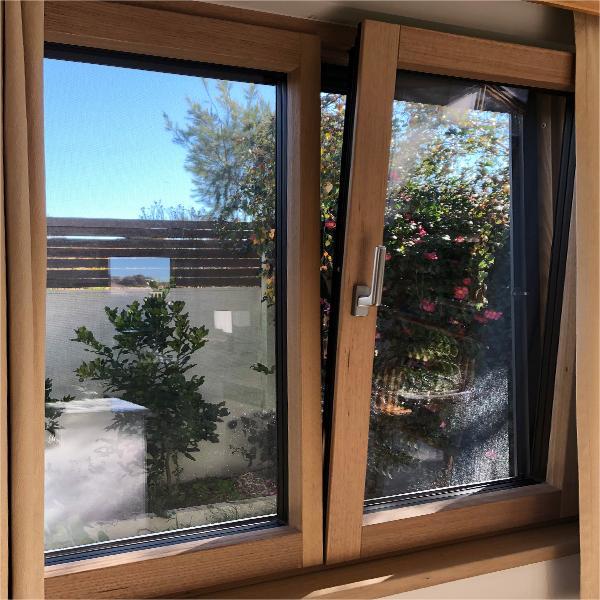
Understanding the Dual Action Mechanics
Modern residential architecture demands smarter functional solutions. For luxury spaces, standard windows can restrict design flexibility and safety. Homeowners and architects are shifting to European engineered openings to achieve uninterrupted views, versatile operation, and high security.
Integrating architectural versatility with long-term structural reliability requires precision material engineering. Selecting premium systems allows projects to achieve long-term performance without sacrificing design integrity.
The Structural Advantages of Precision Aluminum Systems
Choosing structural materials for expansive architectural entries impacts the building's overall thermal envelope and physical security metrics. While generic vinyl or standard lumber options degrade under heavy cycle stress, modern broken bridge aluminum configurations offer distinct engineering advantages:
Exceptional Mechanical Strength: High-density aluminum alloys handle massive glass loads easily, allowing expansive floor-to-ceiling configurations without frame warping.
Thermal Break Insulation: Integrated polyamide thermal barriers cut down thermal conduction, maintaining consistent indoor comfort and reducing HVAC power consumption.
Minimalist Framing Layouts: Advanced profile manufacturing allows slim, clean frame profiles that increase structural sightlines and natural light transmission.
High Environmental Resistance: Premium architectural powder-coat finishes resist intense UV radiation, coastal salt spray, and moisture corrosion over decades of service.
Deep-Dive: Maximizing Home Airflow and Residential Safety
The main reason architects choose tilt and turn systems is their dual performance in home air movement and residential protection.
Secure Night-Ventilation Strategies
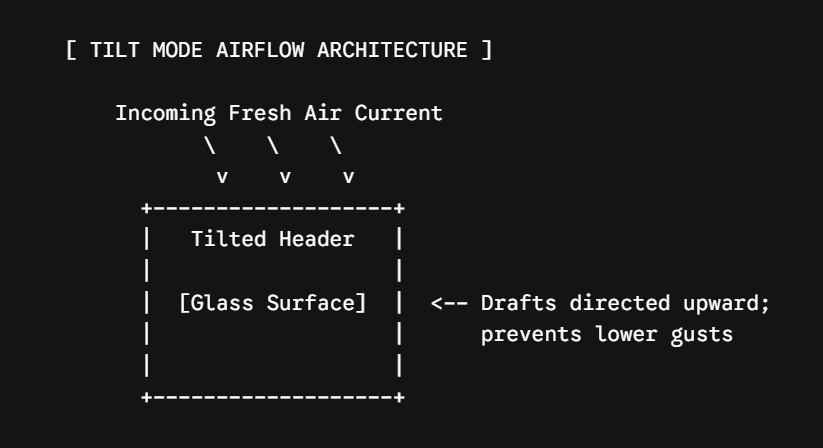
In standard swing windows or sliding configurations, leaving an opening clear for cross-ventilation at night opens an entry path for intruders. Tilt mode tilts the window panel inward from the top header by just 10 to 15 centimeters. This gap allows stale indoor air to escape while drawing fresh air inside, all while keeping the lower perimeter locked tightly against the frame.
All-Weather Draft Management
Standard slider entries often cause unpleasant drafts at floor level. The top-tilting design directs incoming air currents upward toward the ceiling, where they mix naturally with ambient air. This setup creates smooth, draft-free ventilation, keeping interior spaces comfortable even during rainy or windy weather.
Heavy-Duty Perimeter Defense
When switched to the fully closed position, heavy-duty perimeter locking pins slide into structural steel keep plates at multiple points along the sash. This comprehensive locking system prevents the window panel from being pried open, providing robust resistance against forced entry attempts.
Implementation Guide for High-End Construction Projects
To maximize the benefits of premium tilt and turn systems, architects, builders, and homeowners should plan carefully during the early design phases:
Analyze Interior Clearance: Because these systems swing fully inward when in turn mode, ensure nearby furniture, kitchen counters, or decorative window treatments do not block the interior clearance area.
Verify Hardware Engineering: Large-scale glass panels place high stress on lower corner hinges. Always use high-capacity, heavy-duty European corner pivots to prevent windows sash sagging over years of frequent use.
Coordinate Structural Installation: To ensure smooth, long-term operation, installers must align the heavy perimeter frames perfectly plumb and level. Working with professional window and door installation experts guarantees tight weather seals and flawless handle movement.
Connect With Our Experts
Online Message

Online Message
Please feel free to inquiry us we will answer you soon